
Bringing a medical device to the European market is about more than innovation. Manufacturers must also prove that their products meet established standards for safety, performance, and regulatory compliance. One of the most important milestones in this journey is obtaining...
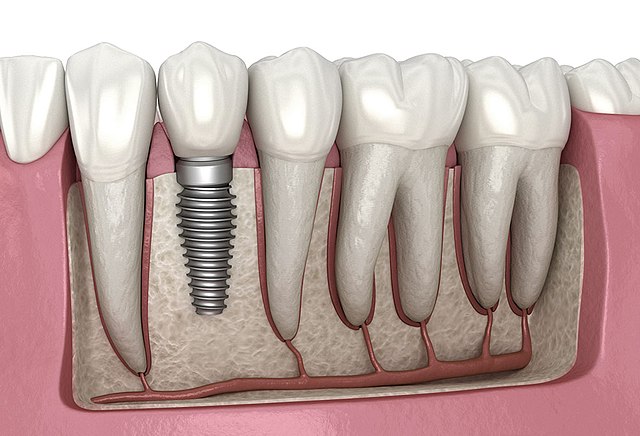
Read MoreThe artificial structures, which look similar to the natural teeth, are the dental implants that a dental specialist or a surgeon implants into an individual`s mouth and insert in the jawbone. Suppose any individual is losing one or more teeth due to tooth loss, decay, or injury. In that case, the individual should visit the emergency dentistry of any doctor or surgeon.
Dental implants have various benefits than dentures. Dental Implants are more comfortable and natural. They have high growth and success and improve functions of biting and chewing. Dental implants cause a minimized risk of cavities generated in the neighbouring teeth. They mainly don’t need to be had and cleaned every evening. However, teeth implants ain’t comfortable and suitable for everybody. The planting equipment should bond with the jawbone so an individual can be healthy and active before undergoing treatment at a dental implant specialist near me.
Types of Dental Implants
Dental implants commonly have 3 types that you can select. Types of dental implants are Endosteal, zygomatic, and subperiosteal. Endosteal is the most secure and popular method, followed by zygoma and subperiosteal methods with more complexity.
Endosteal Implants- These implants are the most regular and famous type of implant. Most patients suit endosteal implants but need a better and healthy jawbone to fuse for the post. They are procurator posts created like screws and set into the jawbone where the bad teeth are inserted. After the process is completed, it takes a short period to cover up, and it needs time to create a brutal hold and fuse. If it is covered, the wrong teeth may be changed into the post to fit the shape and size of the nearby teeth. If you are not required to like the thought of being located in the jawbone, you may enjoy the view of the next most popular and common implant process.
Subperiosteal Implants- Another and second most common type of dental implant is the subperiosteal implant, the primary substitute for the endosteal plants. Rather than fixing it into the jawbone, it rests mainly on the uppermost part of the bone, yet under the gum.
A steel and element part is located with the post under the gum linked to it. The gum heals the position to cover it in location. The defective teeth are protected by the pole, which comes through the gum. This process is only utilized if the individual doesn’t have a complete jawbone for the implantation or any individual in the query doesn’t want to undergo oral therapy to merge bone to the location.
Zygomatic Implants- These types of implants are very uncommon and available to access by you. It is a very complex process which should be done only if you have no jawbone for the endosteal implant. This is located in the cheekbone of the patient rather than the jawbone. You can visit Dental Implants Near Me to learn more about the types by the experts.
Conclusion
A dental implant is nothing but a structure which substitutes a lost tooth. Using the tools like screws, the doctor implants artificial dental teeth in the jawbone. It acts as a linkage for the duplicate teeth, which is known as the crown. You can visit the affordable dental implants section of the healthcare center.