
Creating additional space within an existing home can improve everyday comfort, functionality and long-term property appeal. Many homeowners prefer extending their current property rather than moving to a different location, particularly when they already have convenient access to schools, workplaces...
Read MoreChoosing the right construction professional is one of the most important decisions when planning a commercial or residential building project. Whether you are developing a new workspace, upgrading an existing property or improving an interior environment, working with a reliable Fit out contractor can help ensure that the project is completed efficiently and to the required standards. From initial planning to final finishing, the right construction partner can make the entire process more organised and manageable.
Understanding Your Construction Requirements
Before starting any building project, it is important to understand exactly what needs to be achieved. Every property has different requirements depending on its size, purpose, condition and intended use.
For commercial projects, priorities may include creating functional workspaces, improving accessibility, upgrading facilities and developing attractive customer environments. Residential projects may focus more on comfort, modern layouts, additional living space and improved property functionality.
Preparing a clear project brief helps establish expectations from the beginning. It should outline the proposed work, estimated budget, preferred completion date and any specific design requirements. This information makes it easier to communicate with contractors and evaluate suitable proposals.
Why Choosing an Experienced Construction Partner Matters
Construction projects often involve several different trades, materials and technical requirements. Without proper coordination, delays and communication problems can affect the overall result.
An experienced construction partner understands the importance of planning, scheduling and quality control. They can help coordinate different stages of work while ensuring that individual tasks are completed in the correct order.
When comparing a Construction Company Scotland option, property owners should consider the company’s experience, service range, approach to project management and understanding of relevant building requirements. A contractor with a professional working approach can provide greater confidence throughout the project.
Checking Previous Projects and Industry Experience
One of the best ways to assess a construction contractor is by reviewing their previous work. A portfolio can provide useful information about the types of projects they have completed, their finishing standards and their ability to manage different construction challenges.
Look for examples that are relevant to your own requirements. For example, businesses planning an office refurbishment may want to review previous commercial interiors, while homeowners may be more interested in residential improvements.
It is also worth asking about previous project challenges and how they were resolved. This can provide a better understanding of the contractor’s problem-solving abilities and professional experience.
Where possible, references from previous clients can offer additional insight into communication, reliability and overall satisfaction.
Establishing a Realistic Budget
Budget planning is essential for any successful construction project. Costs can vary significantly depending on the property’s condition, the amount of work involved, material specifications and labour requirements.
A detailed quotation should clearly explain what is included in the proposed work. Property owners should check whether labour, materials, waste removal, specialist services and finishing work are covered.
It is equally important to understand what may be excluded. Unclear quotations can lead to unexpected expenses when additional work becomes necessary.
Maintaining a contingency budget is a sensible approach, particularly for refurbishment projects where hidden structural or maintenance issues may only become apparent after work begins.
Comparing quotations based on their actual scope and quality is more useful than selecting a contractor purely because they offer the lowest price.
Communication and Project Management
Clear communication plays a major role in keeping construction projects on track. Clients should know who their main point of contact is and how project updates will be provided.
Before appointing a contractor, discuss how progress will be monitored, how changes will be approved and how unexpected problems will be handled.
A structured project management process can help coordinate subcontractors, arrange material deliveries and monitor completion schedules. It also makes it easier to identify potential delays before they affect other stages of the project.
Regular communication helps create realistic expectations and reduces the possibility of misunderstandings between clients and construction teams.
Quality Standards and Building Regulations
Quality should remain a priority throughout every stage of construction. Materials, installation methods and finishing details all contribute to the durability and performance of a building.
In Scotland, construction work must comply with applicable building standards and other relevant legal requirements. Depending on the project, planning permission, building warrants, fire safety considerations and other approvals may also be necessary.
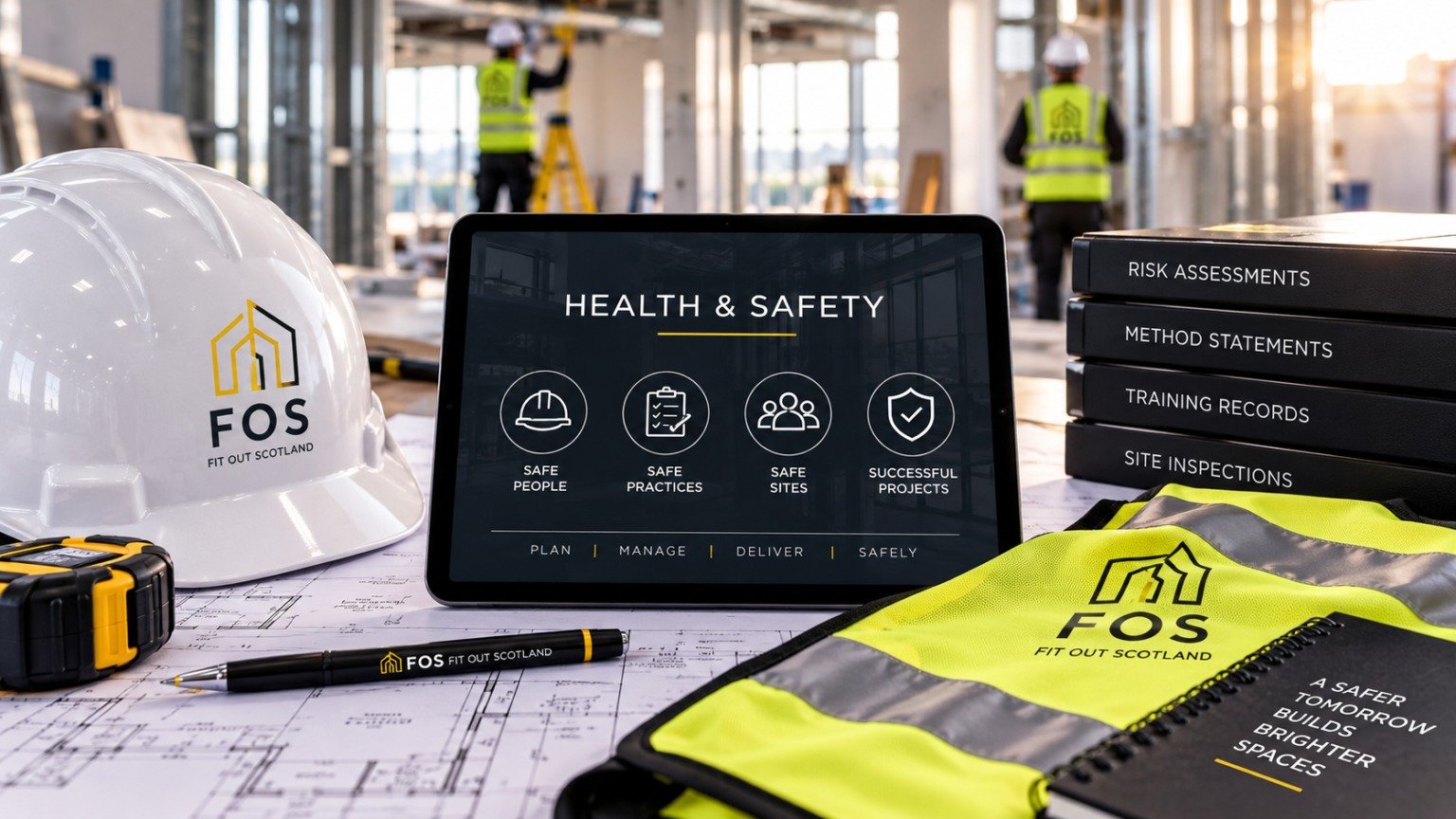
Property owners should establish who is responsible for obtaining the required permissions and ensuring compliance. Relevant insurance, qualifications and health and safety procedures should also be checked before work begins.
These checks help protect the property owner while supporting a more professionally managed construction process.Choosing the right construction professional is one of the most important decisions when planning a commercial or residential building project. Whether you are developing a new workspace, upgrading an existing property or improving an interior environment, working with a reliable Fit out contractor can help ensure that the project is completed efficiently and to the required standards. From initial planning to final finishing, the right construction partner can make the entire process more organised and manageable.
Understanding Your Construction Requirements
Before starting any building project, it is important to understand exactly what needs to be achieved. Every property has different requirements depending on its size, purpose, condition and intended use.
For commercial projects, priorities may include creating functional workspaces, improving accessibility, upgrading facilities and developing attractive customer environments. Residential projects may focus more on comfort, modern layouts, additional living space and improved property functionality.
Preparing a clear project brief helps establish expectations from the beginning. It should outline the proposed work, estimated budget, preferred completion date and any specific design requirements. This information makes it easier to communicate with contractors and evaluate suitable proposals.
Why Choosing an Experienced Construction Partner Matters
Construction projects often involve several different trades, materials and technical requirements. Without proper coordination, delays and communication problems can affect the overall result.
An experienced construction partner understands the importance of planning, scheduling and quality control. They can help coordinate different stages of work while ensuring that individual tasks are completed in the correct order.
When comparing a Construction Company Scotland option, property owners should consider the company’s experience, service range, approach to project management and understanding of relevant building requirements. A contractor with a professional working approach can provide greater confidence throughout the project.
Checking Previous Projects and Industry Experience
One of the best ways to assess a construction contractor is by reviewing their previous work. A portfolio can provide useful information about the types of projects they have completed, their finishing standards and their ability to manage different construction challenges.
Look for examples that are relevant to your own requirements. For example, businesses planning an office refurbishment may want to review previous commercial interiors, while homeowners may be more interested in residential improvements.
It is also worth asking about previous project challenges and how they were resolved. This can provide a better understanding of the contractor’s problem-solving abilities and professional experience.
Where possible, references from previous clients can offer additional insight into communication, reliability and overall satisfaction.
Establishing a Realistic Budget
Budget planning is essential for any successful construction project. Costs can vary significantly depending on the property’s condition, the amount of work involved, material specifications and labour requirements.
A detailed quotation should clearly explain what is included in the proposed work. Property owners should check whether labour, materials, waste removal, specialist services and finishing work are covered.
It is equally important to understand what may be excluded. Unclear quotations can lead to unexpected expenses when additional work becomes necessary.
Maintaining a contingency budget is a sensible approach, particularly for refurbishment projects where hidden structural or maintenance issues may only become apparent after work begins.
Comparing quotations based on their actual scope and quality is more useful than selecting a contractor purely because they offer the lowest price.
Communication and Project Management
Clear communication plays a major role in keeping construction projects on track. Clients should know who their main point of contact is and how project updates will be provided.
Before appointing a contractor, discuss how progress will be monitored, how changes will be approved and how unexpected problems will be handled.
A structured project management process can help coordinate subcontractors, arrange material deliveries and monitor completion schedules. It also makes it easier to identify potential delays before they affect other stages of the project.
Regular communication helps create realistic expectations and reduces the possibility of misunderstandings between clients and construction teams.
Quality Standards and Building Regulations
Quality should remain a priority throughout every stage of construction. Materials, installation methods and finishing details all contribute to the durability and performance of a building.
In Scotland, construction work must comply with applicable building standards and other relevant legal requirements. Depending on the project, planning permission, building warrants, fire safety considerations and other approvals may also be necessary.
Property owners should establish who is responsible for obtaining the required permissions and ensuring compliance. Relevant insur
Sustainable and Modern Construction Solutions
Sustainability is becoming increasingly important in the construction industry. Businesses and homeowners are looking for ways to improve energy efficiency, reduce waste and select materials with better environmental performance.
Options may include improved insulation, efficient lighting, modern heating systems and responsibly sourced materials. During refurbishment work, retaining suitable existing structures and materials can also reduce unnecessary waste.
Modern construction solutions should balance environmental considerations with durability, functionality and long-term maintenance requirements.
Discussing sustainability during the planning stage allows clients and contractors to identify practical improvements that fit the project’s budget.
Finalising the Right Contractor for Your Project
Before making a final decision, review all quotations, project timelines, contract terms and proposed responsibilities. Ensure that the agreed scope of work is clearly documented and that payment arrangements are understood.
A professional construction partner should be willing to answer questions, explain the proposed approach and maintain transparent communication.
Taking time to compare contractors carefully can help reduce project risks and create a better overall experience.
Conclusion
Selecting the right construction partner is essential for achieving a successful building project in Scotland. Experience, communication, transparent pricing, quality workmanship and regulatory awareness should all influence the decision.
By establishing clear requirements and carefully evaluating available contractors, property owners can make informed choices and move forward with greater confidence. Whether improving a commercial environment or upgrading a residential property, choosing a suitable construction professional is an important step towards achieving a functional, attractive and durable result.